When a pipe bursts, a water heater fails, or a storm pushes water inside, most property owners hear two words in the first week: restoration and reconstruction. They sound similar, they are often done by different companies, and mixing them up is one of the most common reasons a repair stalls.
In short, restoration (also called mitigation) stops the damage and dries the building. Reconstruction puts the building back together. This guide explains what happens in each phase, how the handoff works, and what to ask so your Tampa Bay home or property gets back to normal without surprises.
What water damage restoration covers
Restoration is the emergency phase. The goal is to stop the water, remove what can't be saved, and dry the structure before mold and secondary damage set in. A restoration or mitigation company typically handles:
- Stopping or isolating the water source and extracting standing water
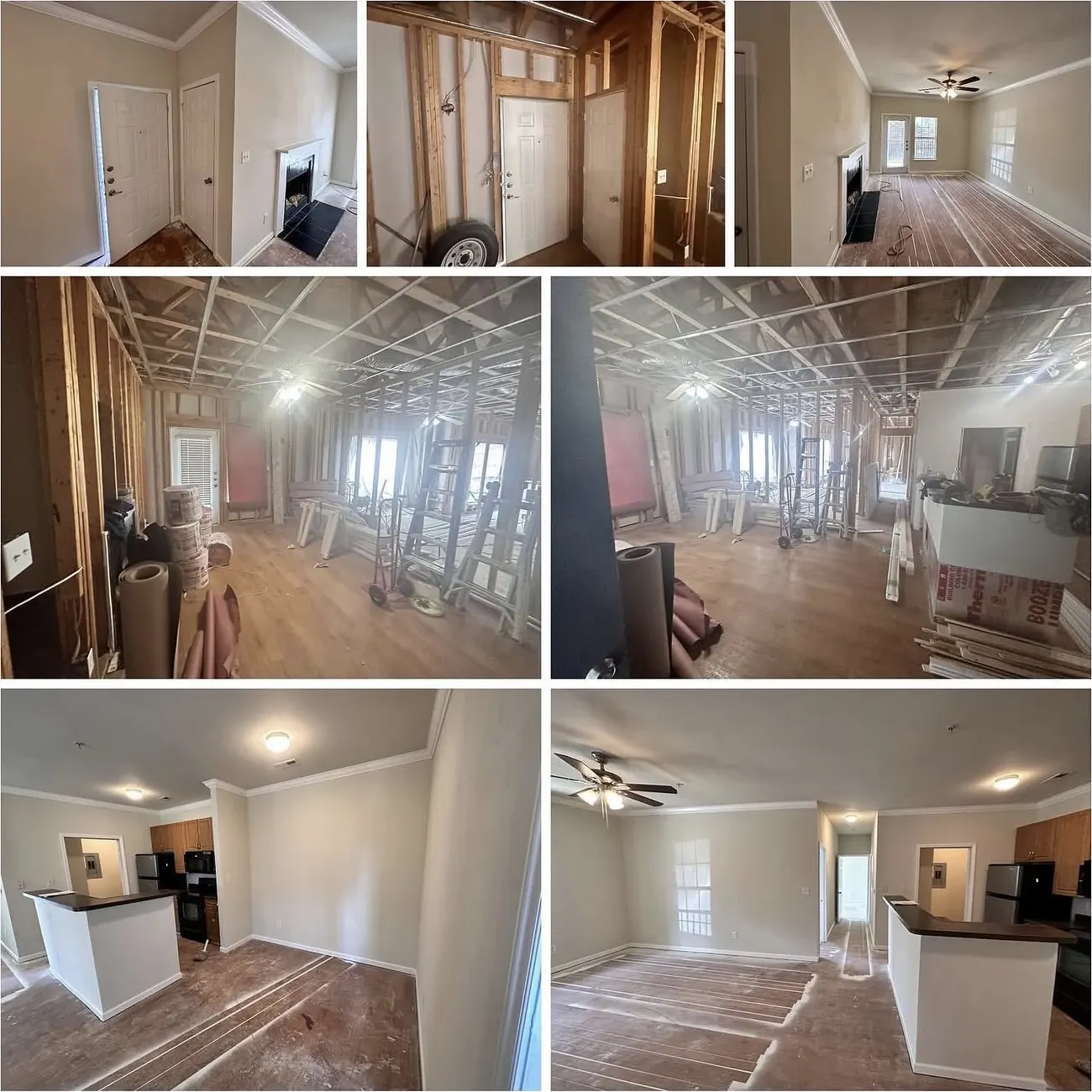
- Removing wet materials that can't be dried, such as saturated drywall, insulation, carpet, and pad
- Setting up air movers and dehumidifiers and taking moisture readings until materials reach a dry standard
- Cleaning and treating affected areas, depending on how contaminated the water was
- Documenting the loss with photos, moisture logs, and a scope for the insurance carrier
Speed matters here. The U.S. Environmental Protection Agency's mold guidance is built around responding to water damage within 24 to 48 hours, because materials that stay wet longer are more likely to grow mold.
Most restoration companies follow the IICRC S500 standard for water damage. It sorts water into three categories: Category 1 (clean water, such as a supply line), Category 2 (water with some contamination, such as a washing machine overflow), and Category 3 (grossly contaminated water, such as sewage or floodwater). The category affects how much material has to be removed, so it directly shapes the rebuild that follows.
What reconstruction covers
Reconstruction starts once the structure is confirmed dry. This is construction work, not cleanup, and in Florida it should be done by a licensed contractor. Depending on how much was removed, reconstruction can include:
- Replacing insulation, drywall, and ceilings, then texture and paint
- New flooring, baseboards, door casings, and trim
- Rebuilding or replacing cabinets, vanities, and countertops
- Framing repairs where wood was damaged or removed
- Coordinating licensed trades if plumbing or electrical work needs to be repaired or brought up to code
- Pulling permits when the scope requires them, and passing inspections
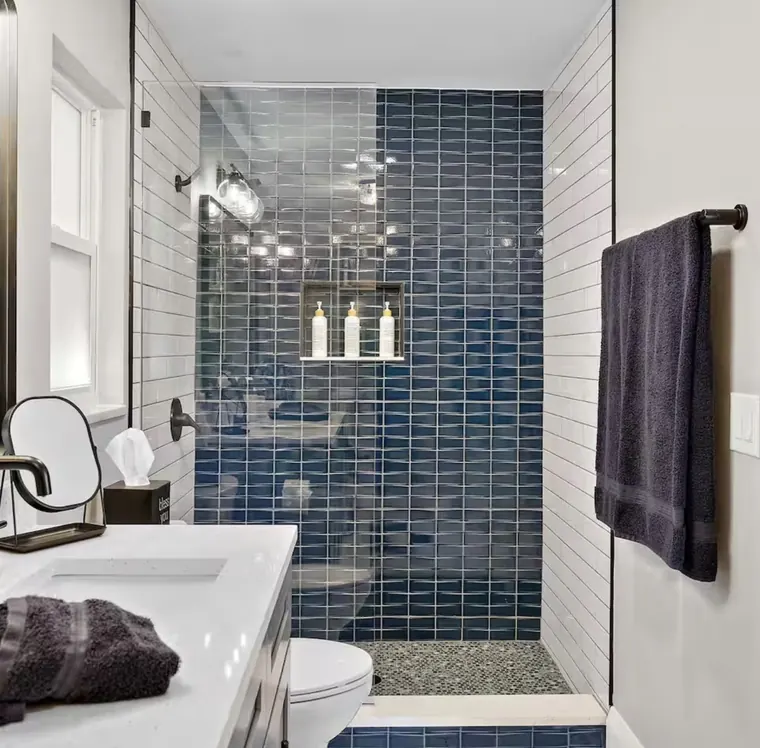
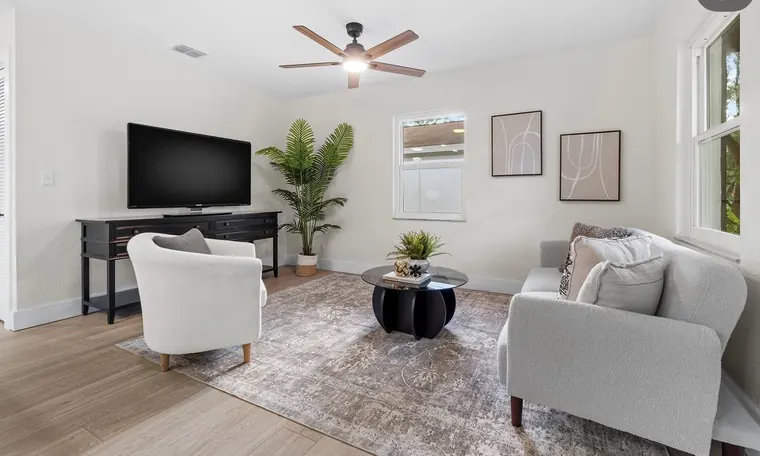
Reconstruction is also where you decide whether to restore what was there or improve it. If the kitchen cabinets have to come out anyway, some owners use the rebuild to update the layout and pay the difference above what insurance covers. A good contractor will price both clearly so the claim and the upgrade stay separate.
Restoration vs. reconstruction at a glance
Restoration (mitigation)
- Emergency response, usually within hours
- Goal: stop the damage and dry the structure
- Ends when moisture readings show materials are dry
- Deliverables: drying logs, photos, and a mitigation report
Reconstruction (rebuild)
- Starts after drying is confirmed
- Goal: return the property to its pre-loss condition or better
- Requires a licensed contractor, and permits when the scope calls for them
- Deliverables: a written scope, schedule, inspections, and a final walkthrough
Why the handoff matters
The most common delays happen between the two phases. Drying is finished, but nobody has scoped the rebuild, the adjuster is waiting on numbers, and the property sits open to the studs. A few things keep that from happening:
- Keep the mitigation paperwork. The moisture logs, photos, and list of removed materials show exactly what has to be rebuilt.
- Bring the reconstruction contractor in early. A contractor can walk the property while drying is underway and start preparing the scope, so work can begin once the space is cleared.
- Match the scope to the damage. The rebuild estimate should line up with what was removed. Gaps and overlaps are what slow down approvals.
- Agree on finishes up front. Matching existing flooring, tile, or cabinets is often the hardest part. Decide early what can be matched and what will be replaced.
If mold is found
If mold shows up during drying or demolition, it needs to be handled before reconstruction continues. Florida licenses mold assessors and mold remediators under Chapter 468, Part XVI, Florida Statutes. Ask any company offering mold assessment or remediation for its license number and verify it with the Florida Department of Business and Professional Regulation. Reconstruction should start only after remediation is complete and the area is confirmed clear.
Insurance and documentation
Every policy is different, so read yours and talk to your agent or adjuster before you assume anything is covered. Two points come up often for Florida property owners:
- Damage from flooding is generally not covered by a standard homeowners policy. Flood coverage usually comes from a separate flood policy, such as one through the National Flood Insurance Program.
- Sudden, accidental water damage, like a burst supply line, is treated differently from long-term leaks or wear.
Whatever your situation, document everything: photos before anything is removed, receipts, the mitigation report, and every estimate. Clear records make the rebuild easier to approve.
How to choose a reconstruction contractor
Look for a contractor who can show you the following:
- An active Florida contractor license you can verify on the DBPR website, plus proof of insurance
- Experience rebuilding after water, fire, or storm damage, not only new remodels
- A written scope tied to the mitigation report and the insurance estimate
- A clear plan for permits, inspections, and matching existing finishes
- One point of contact who keeps you, the adjuster, and the trades on the same page
CWL Construction rebuilds homes and properties after water, fire, and storm damage across Tampa Bay, working alongside restoration companies and adjusters. See our restoration and rebuild services or browse completed projects.
Frequently asked questions
Is water damage restoration the same as reconstruction?
No. Restoration, also called mitigation, stops the water and dries the structure. Reconstruction rebuilds what had to be removed, such as drywall, flooring, cabinets, and trim. They are separate phases and are often handled by different companies.
Who should I call first after water damage?
Stop the water if you can do so safely, then call a water mitigation company to extract water and start drying, and notify your insurance company. Bring in a reconstruction contractor once you know what has to be removed.
Can reconstruction start before everything is dry?
It shouldn't. Closing up walls or installing flooring over damp materials can trap moisture and lead to mold. Reconstruction should begin after moisture readings confirm the materials are dry.
How long does a water damage rebuild take?
It depends on how much was removed, whether permits are required, and how quickly materials and approvals come through. A small drywall and paint repair can take days, while a kitchen or whole-floor rebuild can take weeks. Your contractor should give you a written schedule once the scope is approved.
Do I need a permit to rebuild after water damage?
It depends on the work and your city or county. Replacing drywall and flooring may not need a permit, while electrical, plumbing, structural, or window and door work usually does. Your contractor should confirm requirements with the local building department.